SOAS BWY Yoga Summit
What is the subtle or “energy” body in Yoga, and what relevance does it have for contemporary practice?
Modern Yoga is often presented as a secular practice focused on physical postures, but many Yoga traditions describe subtle, non-physical dimensions of the body. This year’s theme examines how these ideas persist, change, or reappear in contemporary contexts.
We will explore how embodied experience can be understood through the framework of the subtle body, and how such experiences, being subjective and not directly accessible to measurement, can be approached in study and discussion.
This summit brings together historians, scholars, researchers, and experienced practitioners to explore what might be called Yoga’s unseen dimension: its energetic frameworks of prāṇa, cakra, and kuṇḍalinī, alongside the practices of breath, sound, and meditation that seek to transform and open new modes of embodied experience.
The summit asks: What is the subtle or “energy” body? How has it been understood across Yoga’s history? How does it work and can it be measured?
Through panel discussions, guided practice sessions, and a keynote lecture, participants will examine the history and philosophy of the energy body, the roles of prāṇa, cakras, and kuṇḍalinī, and the relationship between embodied experience and contemporary research.
Bringing together leading scholars and practitioners from around the world, the summit offers a unique opportunity to engage in dialogue across disciplines and traditions, exploring how Yoga’s subtle dimensions continue to shape both scholarship and practice.
Hindu Yoga traditions of the early-second millennium CE came to share a distinctive vision of the subtle body. Rooted in first-millennium Śaiva tantric systems of contemplative practice, this esoteric vision of the body revolves around a series of lotus-like wheels spanning the body’s vertical axis – the chakras. Linking these is a subtle channel through which rises the serpentine or lightning-like kuṇḍalinī, when awakened through yoga. Early-twentieth century intellectuals of colonial Bengal and various transnational networks established this as “the tantric body” in both popular and scholarly discourse, though we know now that there were competing conceptual systems.
The Sāhebdhanīs from colonial Bengal viewed the subtle body as geopolitical cartography. Using the metaphor of the ‘railway car’ they imagined the subtle body, ‘as a landscape connected by the tracks, bridges, and stations laid down by the British empire, through which the passenger must navigate, amidst threats of thieves, derailments, and even bombs’ (Hugh Urban 2022, p. 4). This description resonates with preconceptions with which I came to study yoga, of the ‘yogic body’ as an imagined ritual construct of channels (nāḍīs), energies (such as prāṇa and vāyu) and wheels (cakras and padmas). This yogic body was sited between the gross and transcendent, between the material and immaterial, between ‘female:body’ and ‘male:reason’ (Barbara Holdredge 1998, p.344).
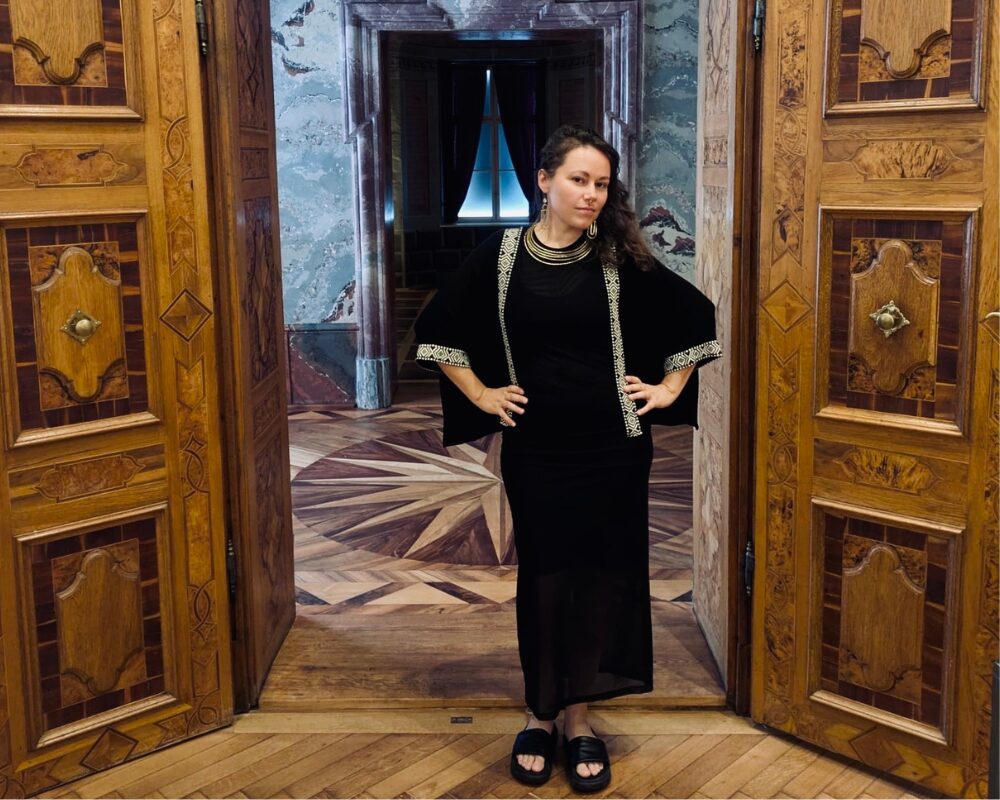
In this presentation, I will discuss challenging kundalini awakenings from a historical perspective. Ideas about kundalini originated in medieval tantric and yogic texts, where it was portrayed as a goddess and a serpent. Additionally, it was conceptualized as a subtle energy within the framework of yogic and tantric concepts of the “energy body”. While these texts did not recommend adopting a frivolous stance, kundalini was, for the most part, regarded as a beneficial force that could engender spiritual potential and ultimately lead to liberation. This stance changed drastically in the twentieth century. Against the backdrop of the anti-psychiatry movement and bolstered by theories from transpersonal psychologists, kundalini was increasingly interpreted in light of psycho-physical diseases, highlighting its potential for crisis.
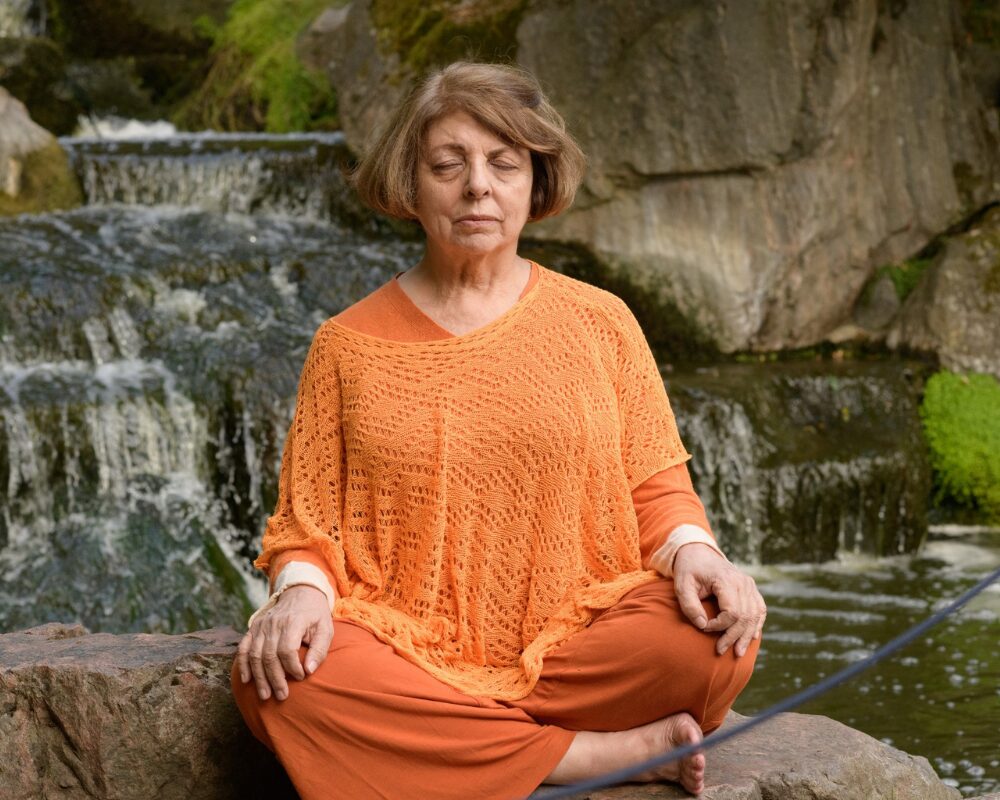
Chakras are a much-discussed topic, even among non-yogis. But few people seem to actually know what the ‘chakras’ are or what they do. Long-time yoga practitioner, teacher and author, Swami Saradananda will introduce the chakras from an experiential and energetic point of view. She will lead us through two practices, morning and afternoon. Both sessions will offer pragmatic tools that can enable us to integrate chakra work into our daily lives and yoga practice. By the practice of ‘nyasa’, she will guide us in connecting with and accessing the profound energy of the chakras, the rotating ‘wheels’ of subtle energy.
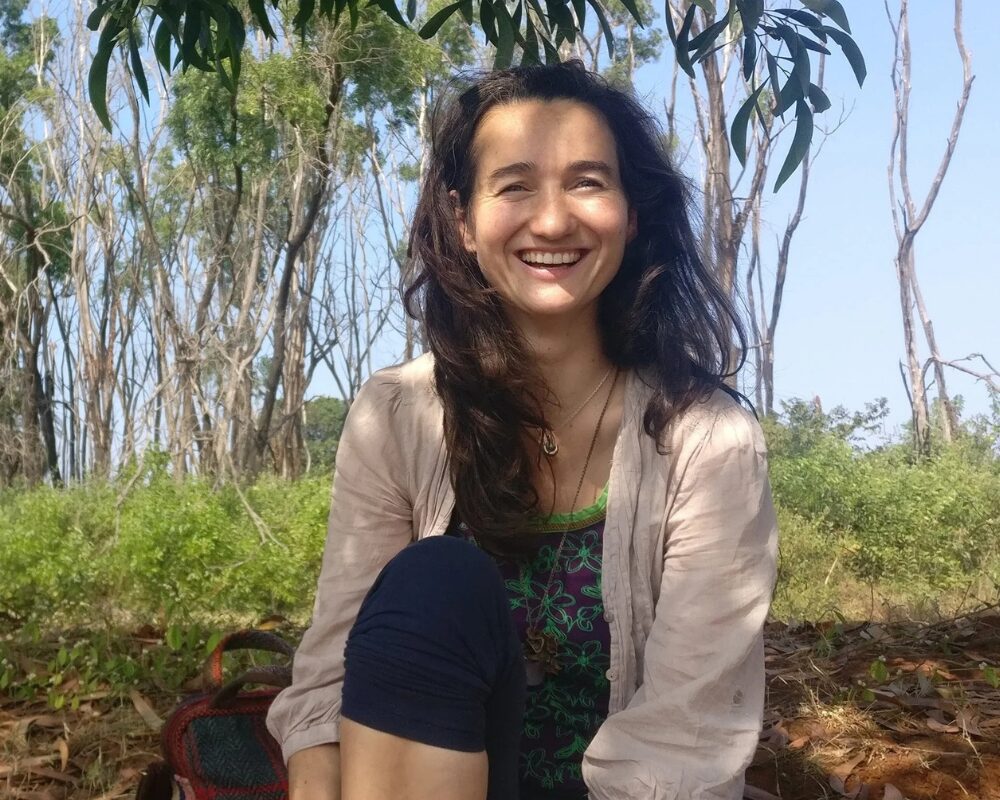
This talk will present various interpretations of prāṇāyāma and its relationship to the other aṅgas of yoga. Tracing modern practices back to their premodern roots, we will also explore and experience one of these practices firsthand.
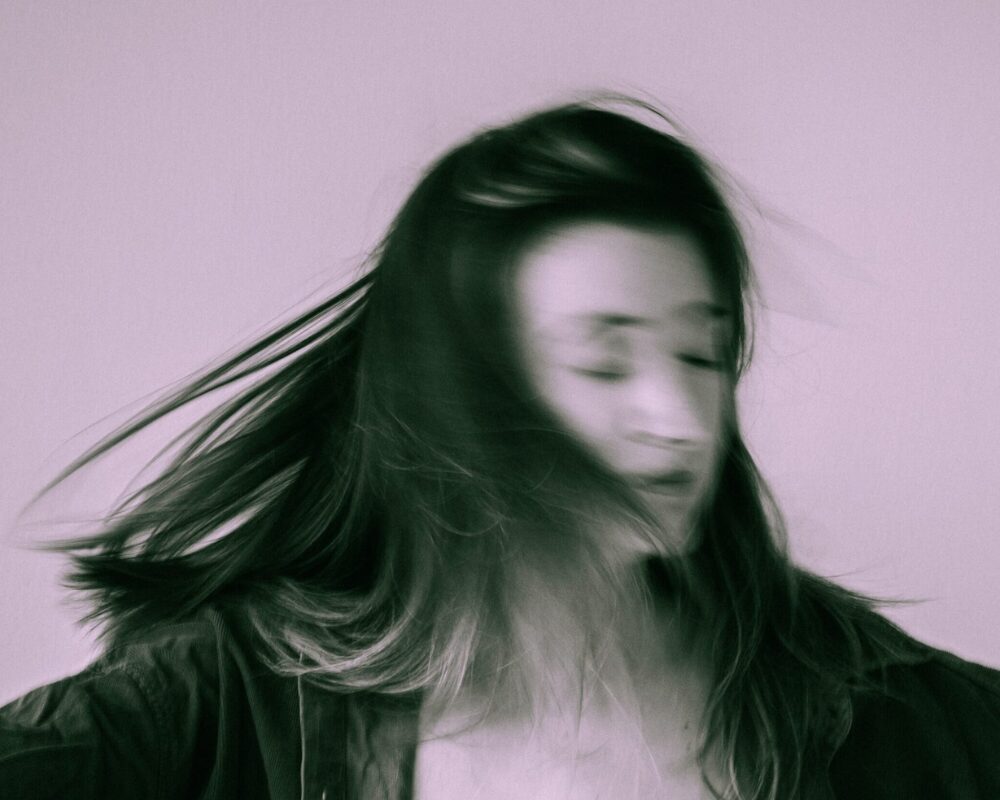
In this performance-lecture, Clarke will introduce the key philosophies and methodologies that inspired the creation of Oceano Respiração, drawing on the process thinking of Henri Bergson, Erin Manning, and Brian Massumi, alongside Pauline Oliveros’s sonic meditations in ‘Deep Listening’. The performance element of this lecture invites audiences into a short practice of listening-in-movement, foregrounding kinaesthetic and affective forms of knowledge that challenge strictly empirical approaches to researching and understanding bodily experience in contemporary yoga practice.
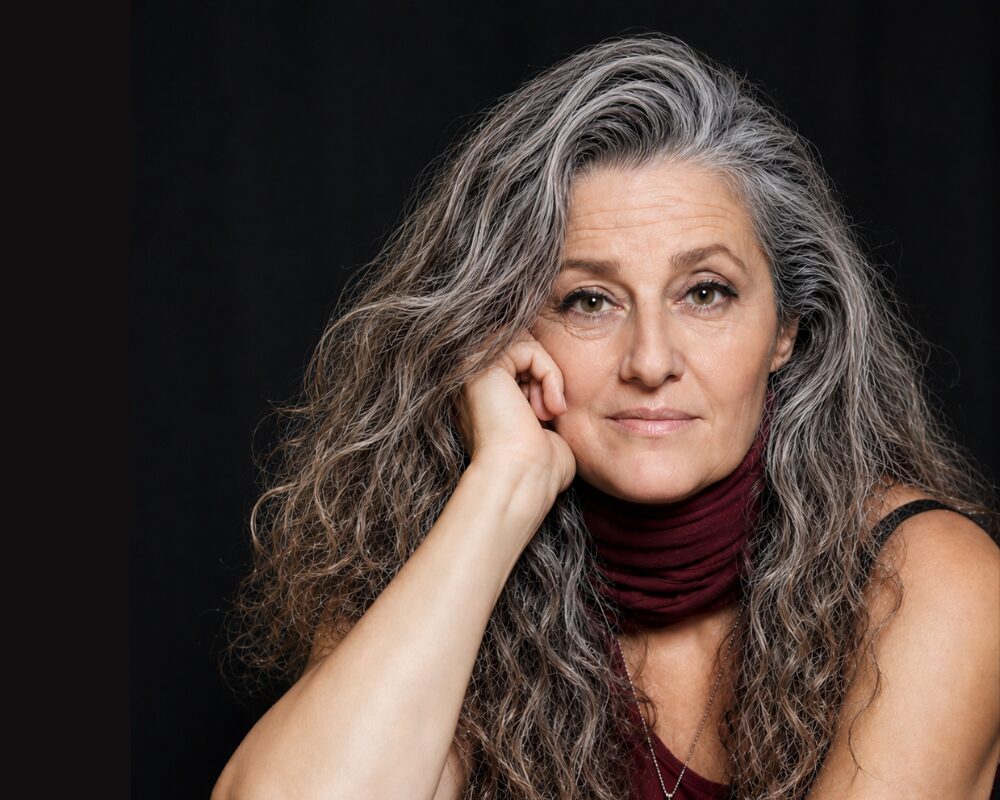
“The journey is not from here to somewhere else… it is from forgetting to remembering.”
Tsa Lung is a practice from the Bön Tibetan tradition — the shamanic lineage that predates Buddhism in Tibet. “Tsa” means prana or life force, and “lung” means vital wind. The practice works with tiglé (points of energy associated with the chakras) and uses movement, breath, and mental focus together to clear density through the nadis (energy channels) — similar in function to a kriya. In this session, Sarah plans to teach three of the main Tsa Lung movements.
Once you have booked your ticket, you can access more information in Resources regarding Sarah’s work and Tsa Lung practice.
This gathering felt like a breath of truth; the speakers illuminated how we might guide yoga back to its original spirit of unity, care, and wisdom.
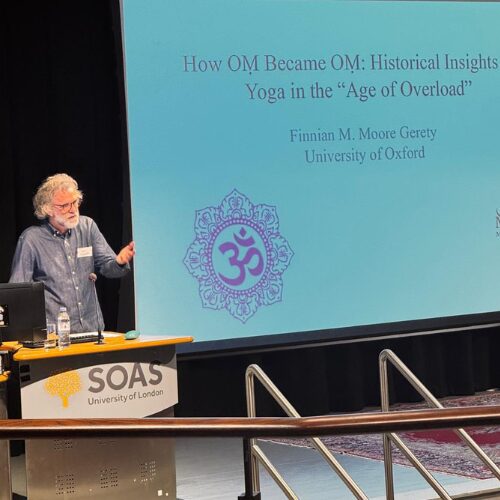
A really enjoyable unique event where yoga philosophy, science and practice joined together in
an inclusive community.